
Nottingham Entomology
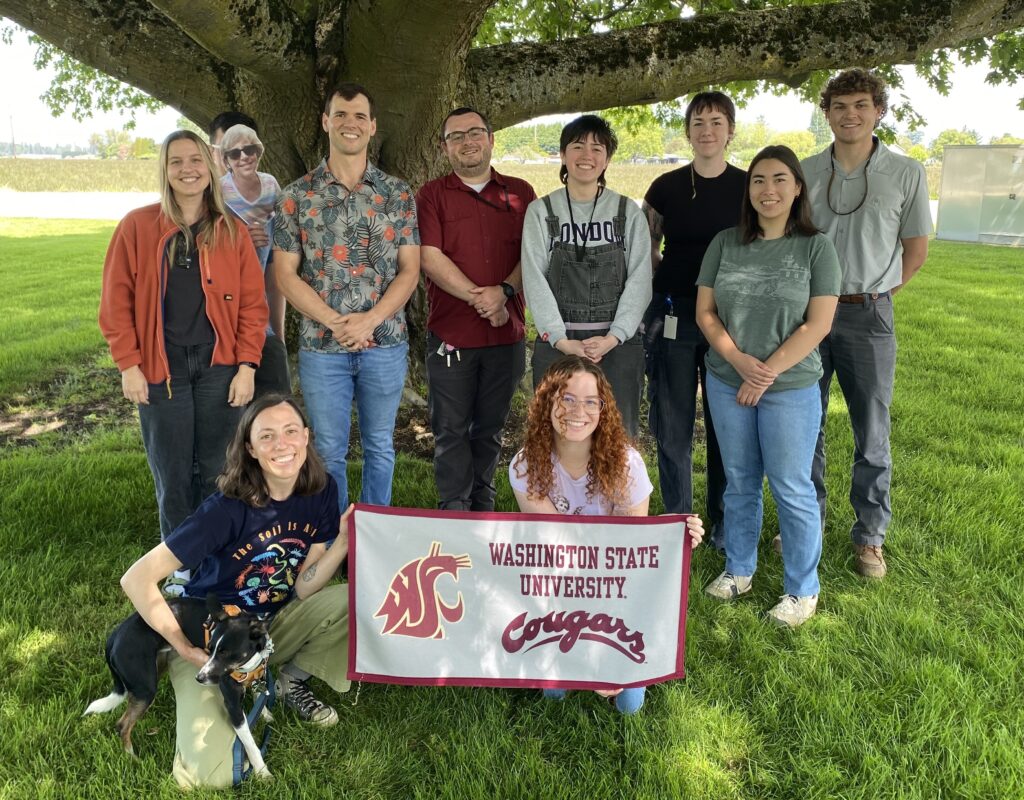
Welcome! The Nottingham Entomology lab is based out of WSU’s Northwestern Washington Research and Extension Center in Mount Vernon. Our primary goal is to emphasize the development of ecologically and quantitatively based integrated pest management (IPM) through applied research and education for regional crops of significance in Northwestern Washington. Topics include insect behavior, phenology, biological control, cultural control, and chemical control.
For in-depth information see our Projects Page.
Lab News and Activities
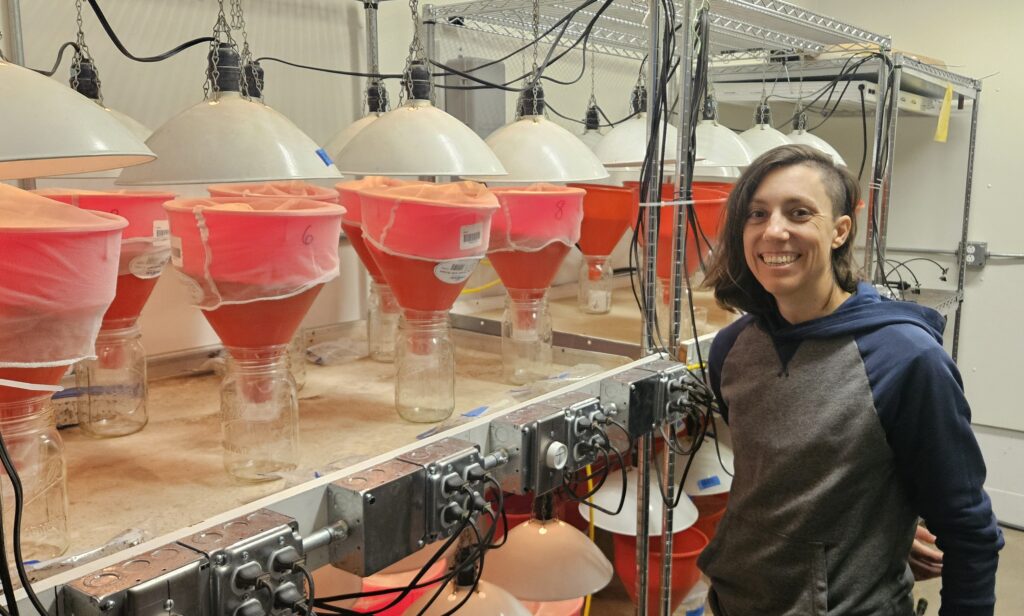
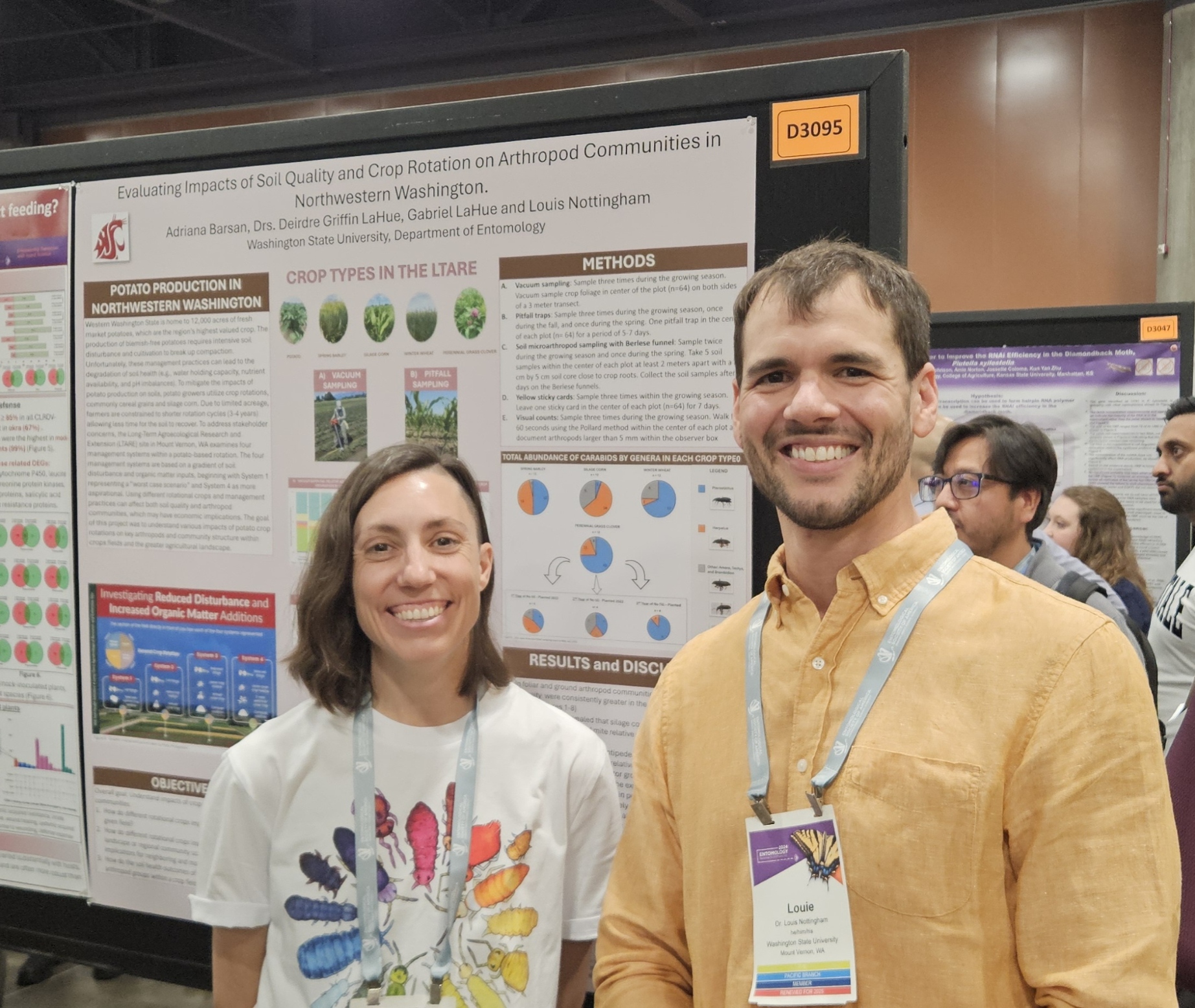
Congrats to Adriana!
Adriana successfully defended their MS thesis, Evaluating Impacts of Soil Management and Crop Rotation Practices on Soil-Asso…
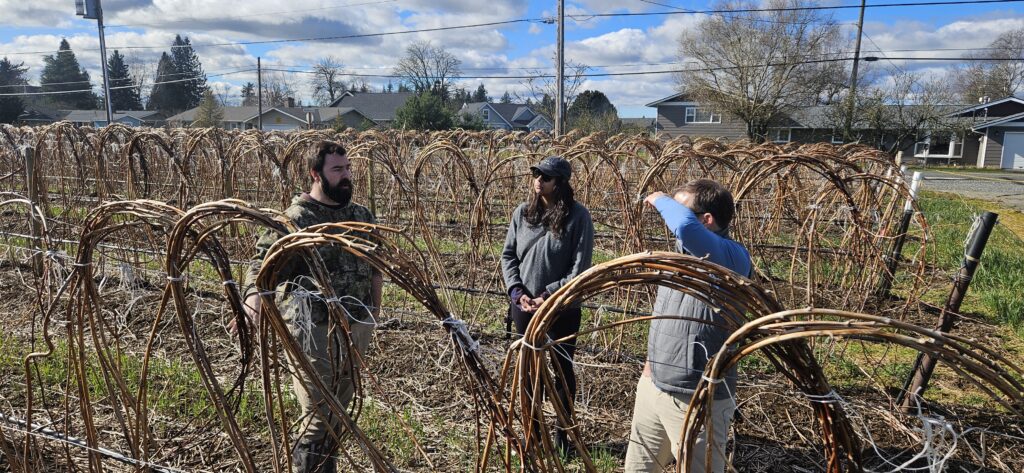
Agragene Visit
Louie invited Agragene to NWREC to present their SWD SIR technology and meet with blueberry and raspberry stakeholders.
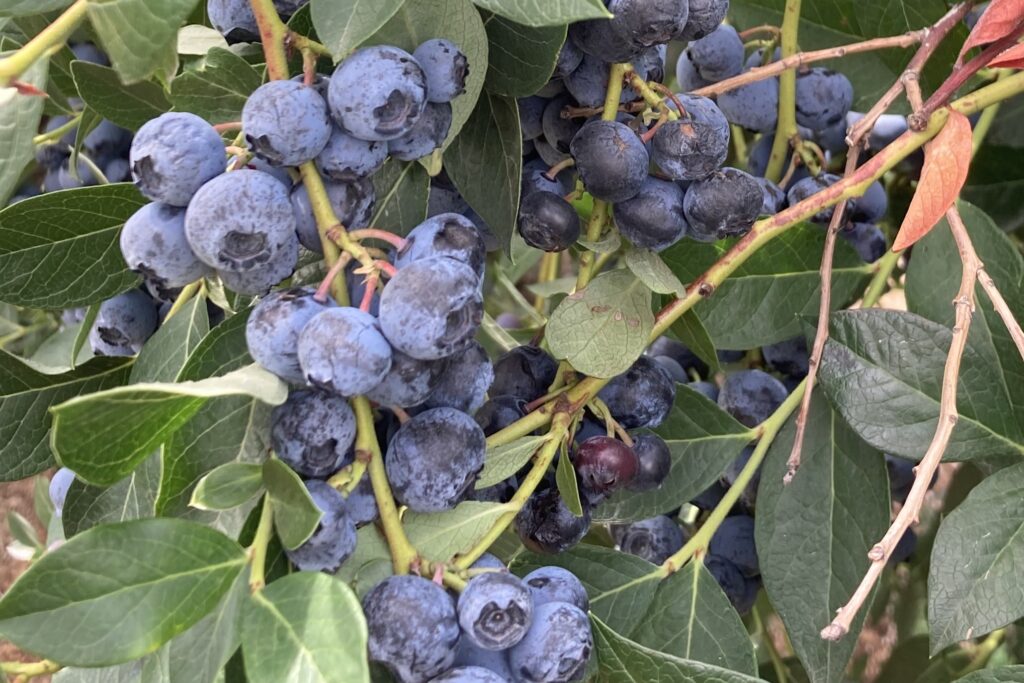
Claire’s AMT Article
Claire and Louie recently published a paper assessing the efficacy of a new insecticide on SWD in blueberries.
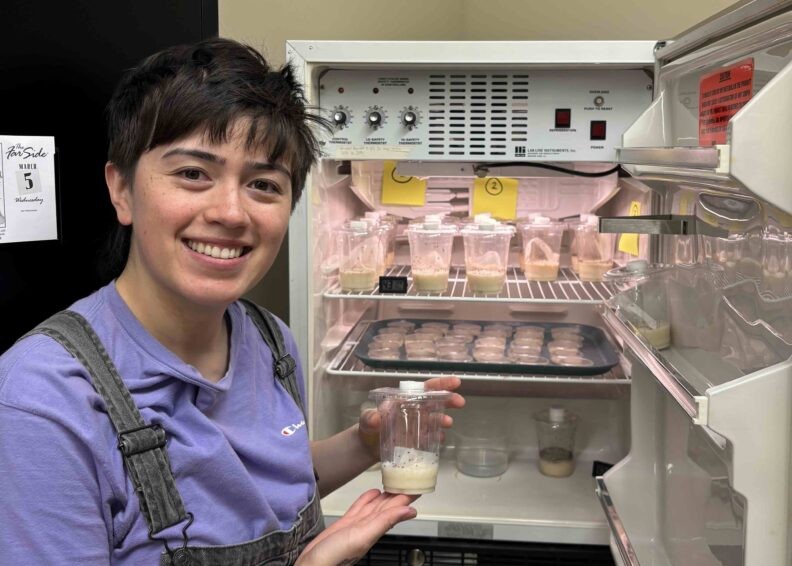
Gusta Beard Spotlight
Lab superstar Gusta Rose Beard was recently featured in a WSU Foundation Scholarship Spotlight.
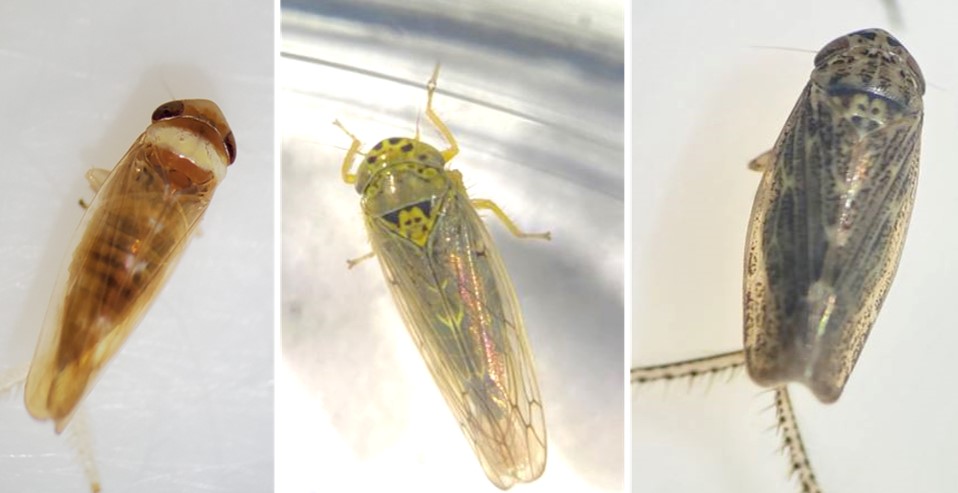
Leafhopper Paper Wins Award
Leafhopper paper co-authored by Louie wins Environmental Entomology’s Reviewer’s Choice award!
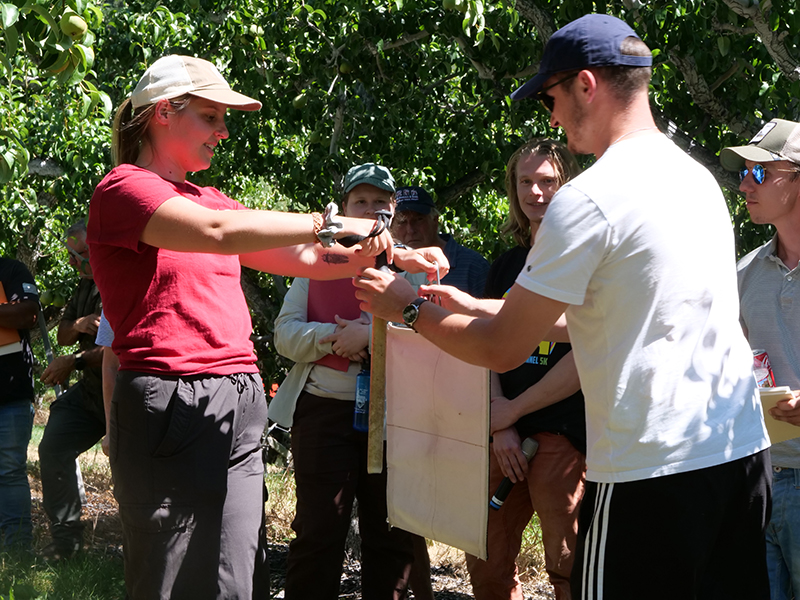
BIOAg Spotlight: Molly Sayles
With support from a CSANR BIOAg grant, Molly Sayles is investigating IPM adoption by pear growers.




Recent Publications
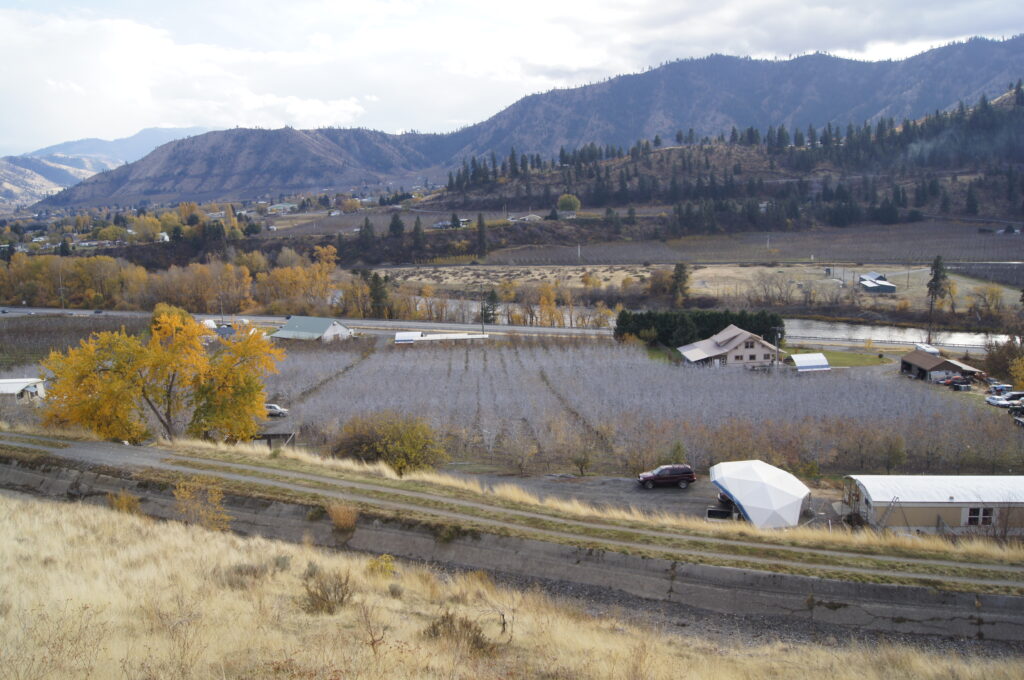
Suppression of pear psylla, Cacopsylla pyricola (Hemiptera: Psyllidae), with fall applications of kaolin clay
Residues from fall-applied kaolin can remain through the winter and reduce pear psylla colonization the following spring.
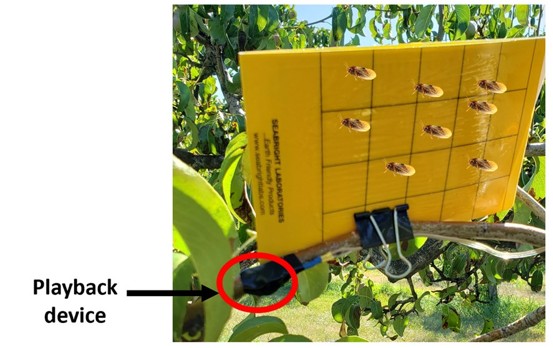
Potential use of vibrational playbacks for management of pear psylla
This project uses biotremology, the study of vibrations, for mating disruption in pear psylla.
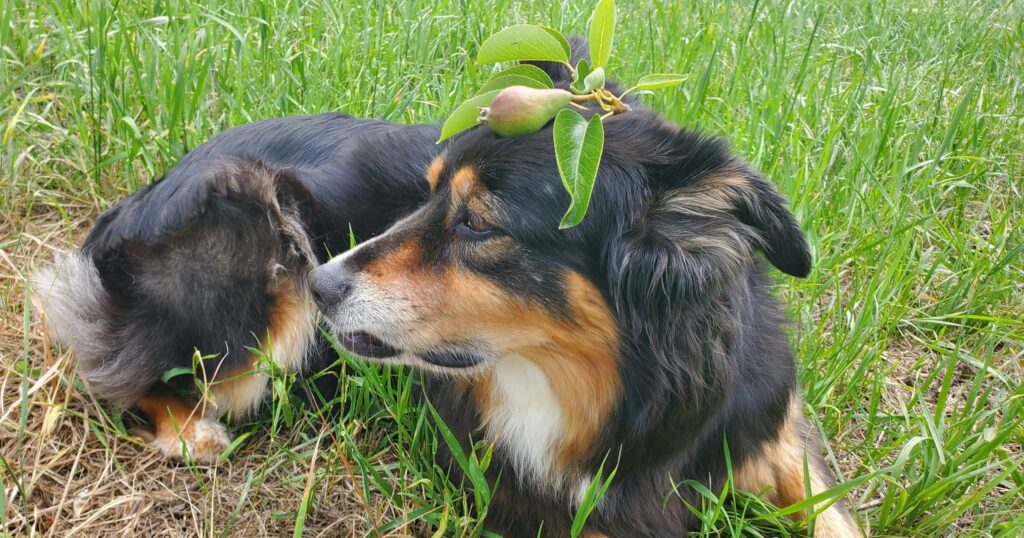
Biology and management of pear psylla (Hemiptera: Psyllidae) in the Pacific Northwest
An overview of pear psylla biology, pest status, IPM tactics, and elements that have challenged or advanced adoption of IPM
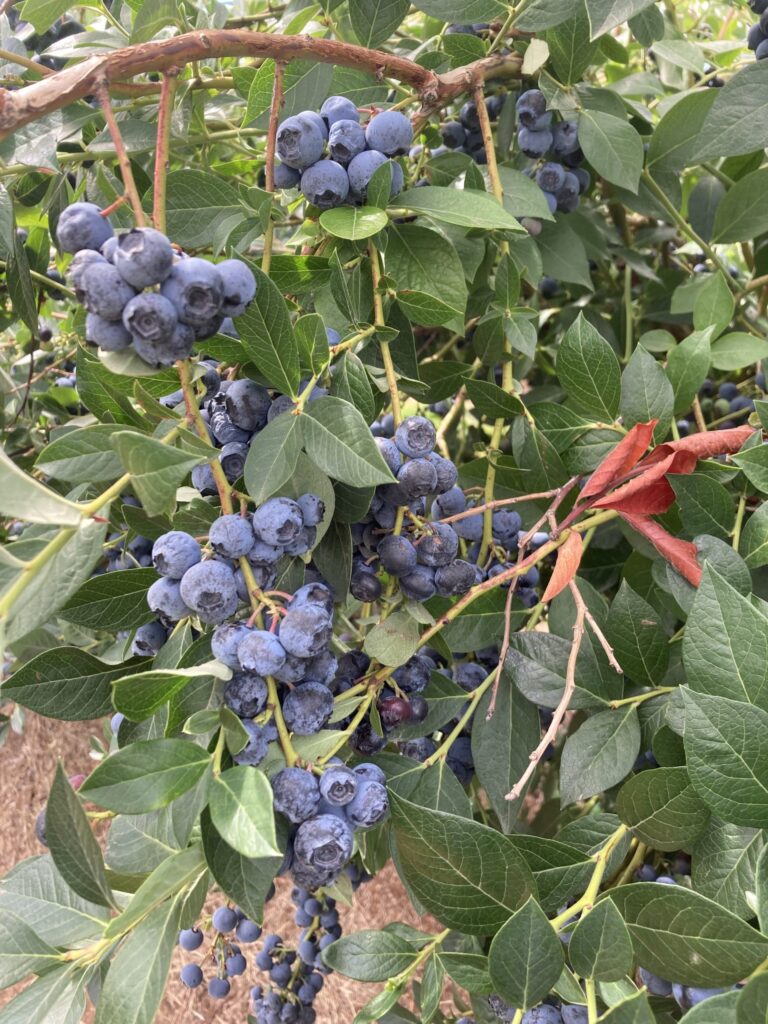
Comparison of sampling methods for figitid parasitoids of Drosophila suzukii (Diptera: Drosophilidae)
In this study, we examined 5 figitid sampling approaches to determine their capture rates, relative effort, and ease of use.
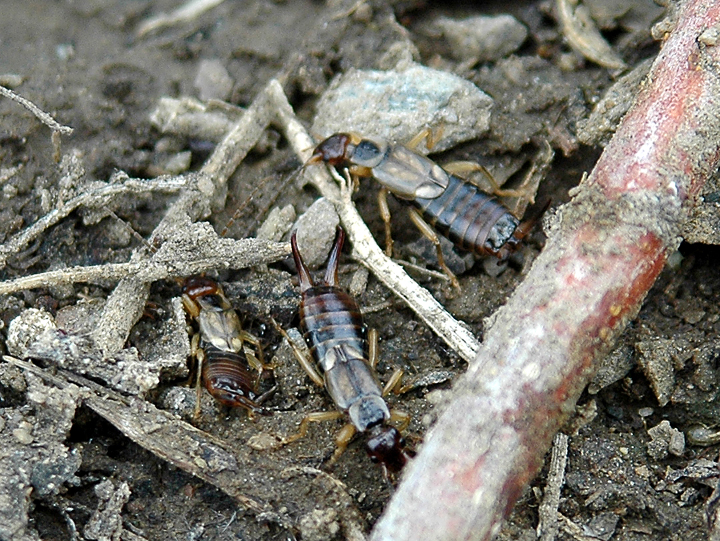
Non-target effects of insecticides and herbicides on earwigs
Conservation biological control in agriculture primarily relies on avoiding pesticides that may harm key natural enemies. In …
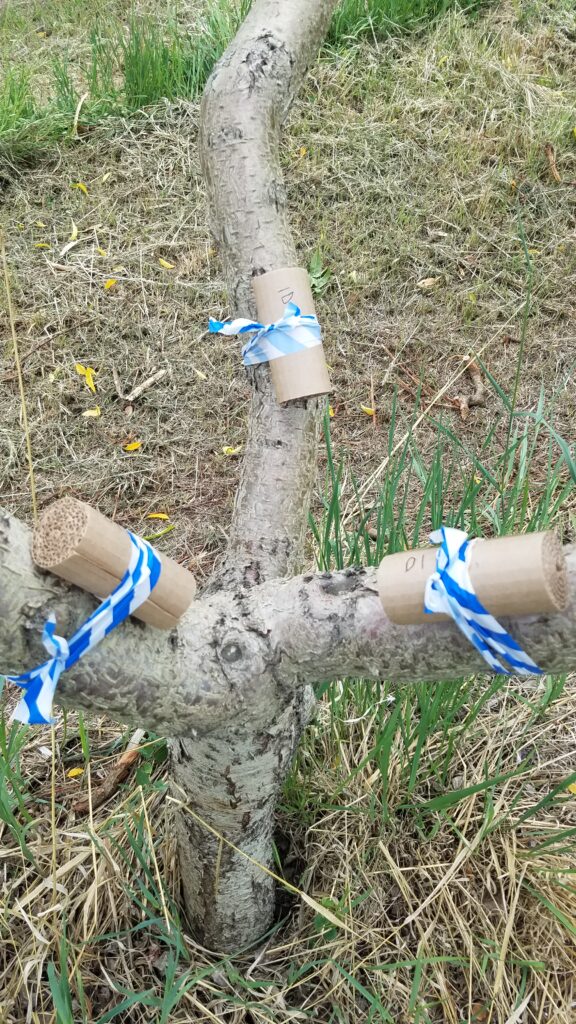
Inoculation and conservation of the biocontrol agent European earwig in Washington pear orchards
European earwig, Forficula auricularia L. sensu lato (Dermaptera: Forficulidae), is a univoltine, resident, omnivorous specie…